

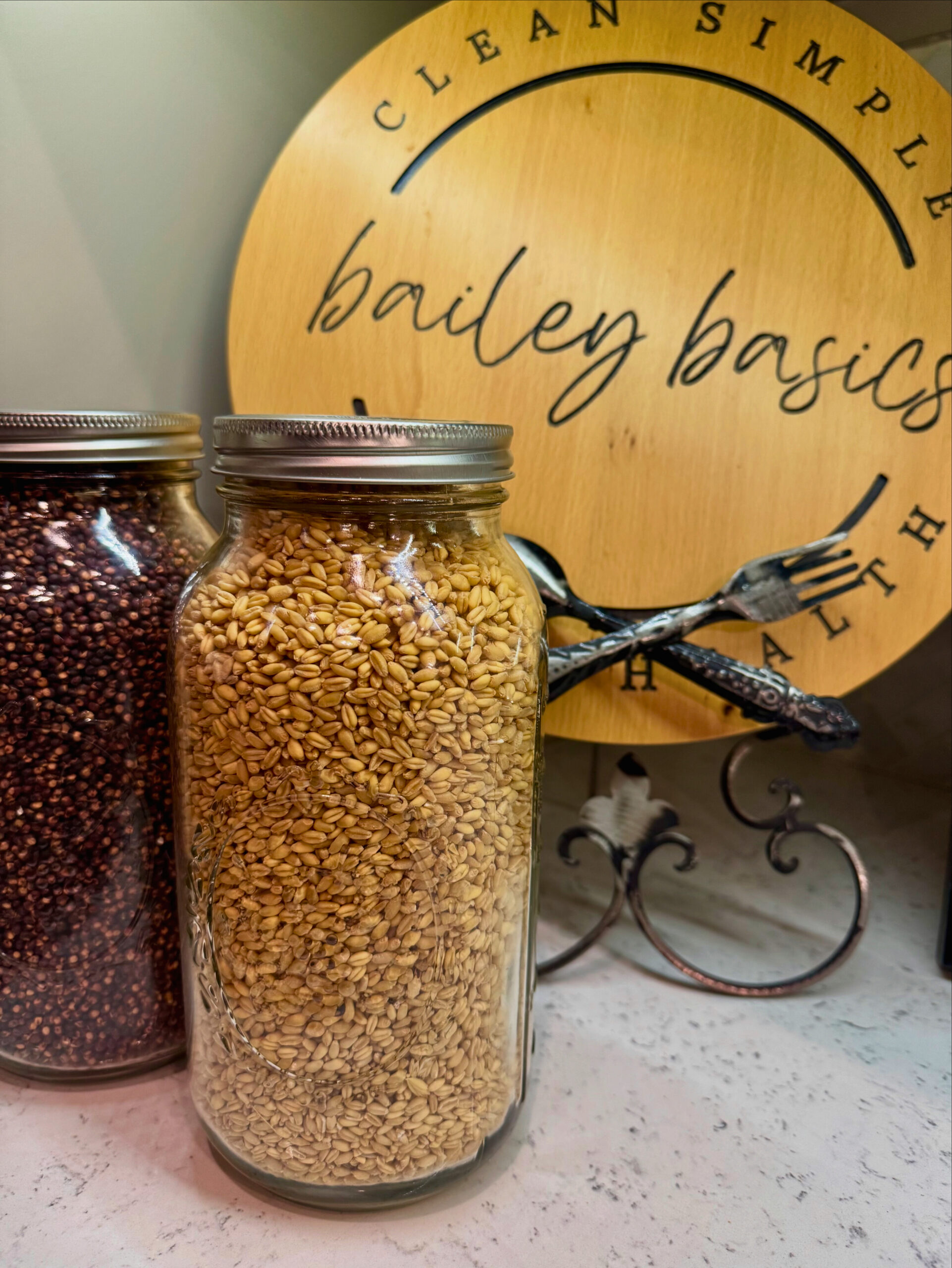
Let’s start at the beginning, the grain. A whole grain is a seed and therefore left whole and in tact should preserve for 30+ years and maintain all its nutrients harnessed inside the seed. However, once that seed is cracked, it begins to oxide and nutrients will therefore deplete.
Table of Contents
Store-Bought Flour
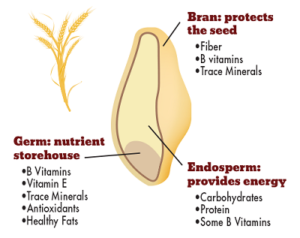
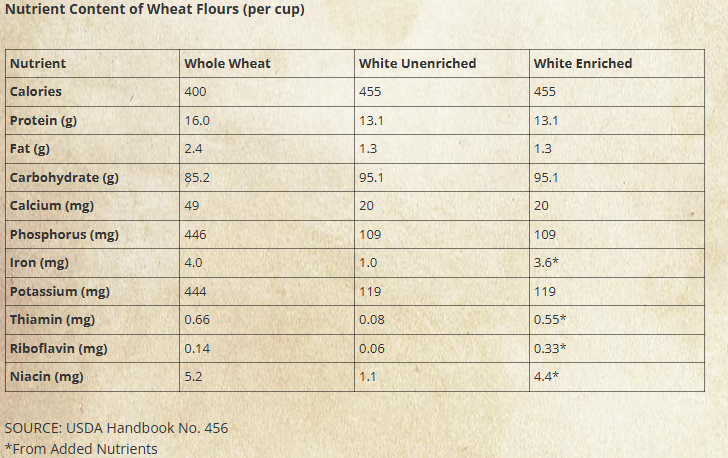
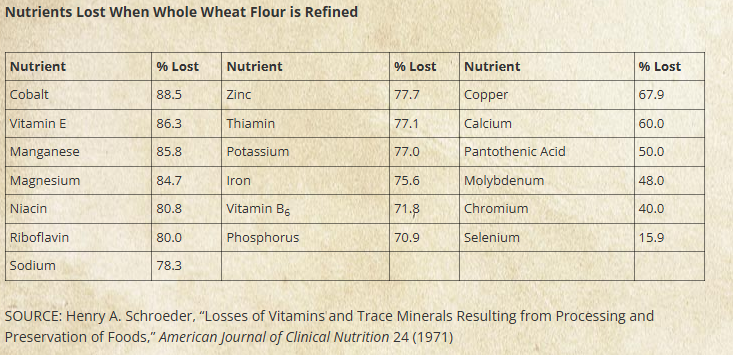
When you purchase that paper bag of flour on the grocery store shelf, it has been milled with steel rollers, and all bran and germ removed. The bran and germ contain the fiber, oils and nutrients from the grain. By removing it, the endosperm is all that remains. This white fluffy flour is then “enriched” by adding back a portion of the nutrients lost by using synthetic vitamins.
This flour is very shelf stable due to the lack of oils and fats found in the bran and has been bleached and treated to further stabilize and prevent it from becoming rancid.
The Problem With Store-bought flour
This flour that lacks the nutrients naturally found in the original grain of wheat is mostly starch. Causing our blood sugar to spike and reaking havoc on our gut health due to the lack of fiber, crucial for waste removal.
The Solution? Milling Your Flour Fresh When You Need It!
By using Fresh Milled Flour, you capture the nutrients of the whole grain immediately after they are cracked open (milled) into flour. By leaving the bran and germ in your unsifted flour, you will not be able to store the flour like you do in a canister on your counter for months and sometimes years.

How quickly does it become rancid you ask? Well, I want to focus on the nutrients. The basic principle of oxidation can easily be seen when we bite into an apple and leave it on the counter for any amount of time. The exposed inner flesh will begin to brown and visibly “spoil”. The same is true with a grain of wheat. Once the grain is cracked, the oils and nutrients are exposed to the air and begin to deplete.
Here is the full article from Sue Becker. This article from Sue Becker has more information on the deception of enrichement:
How Do I Store My Flour Once Milled?
By weighing grains for your recipes, you will likely have little excess flour and therfore should not have to store for long periods of time. However, I do sometimes like to mill in batches and pre-measure other ingredients like salt, sugar and baking powder to get a jump start on pancakes, biscuits and other staples in our routine.
By placing this flour in a sealed container or bag in the freezer. We are able to slow the oxidation process down considerably! I have stored flour in my freezer for months without any signs of rancidity. While I do not have the technology or resources to then test the nutrient content of the flour at varying storage phases, basic principles of oxidation reassure me that the freezer has been a known form of preservation for many years and I trust that a slight reduction in nutrient content is still far superior to the bleached bag of flour from the store.
Storage Solutions
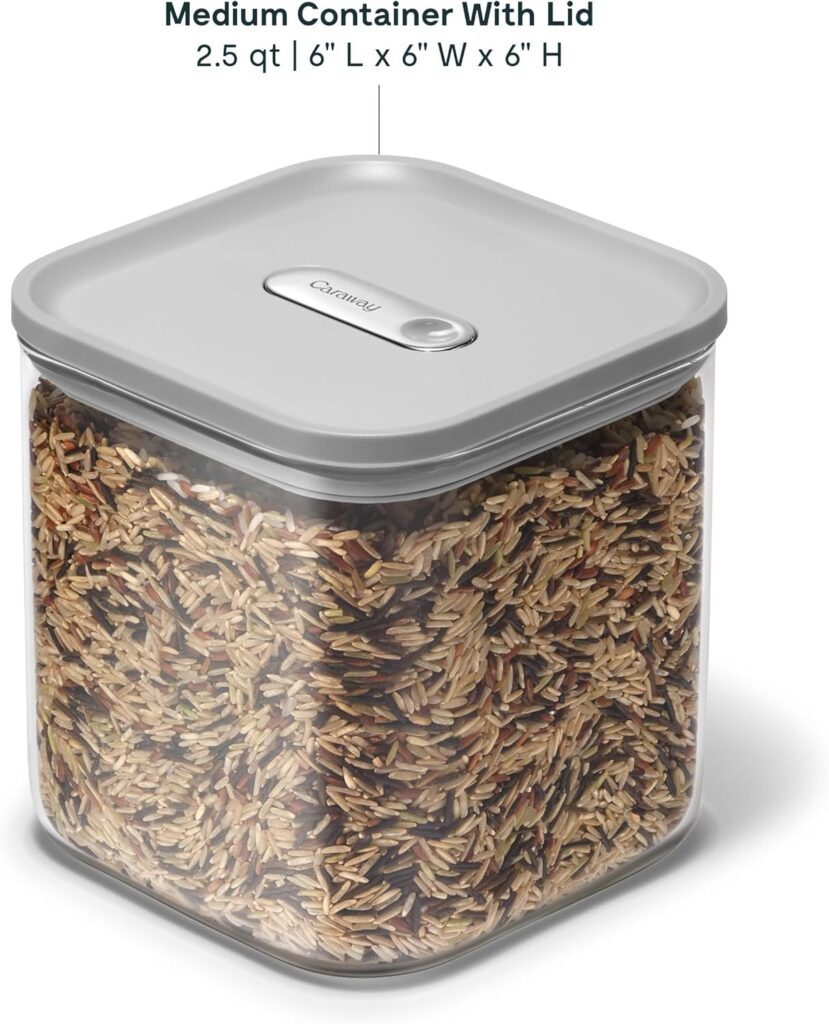
If you are not a fan of plastic storage solutions, THESE vacuum sealed jars are perfect for the freezer. They are small enough to fit in the door of most freezers and seal very well.
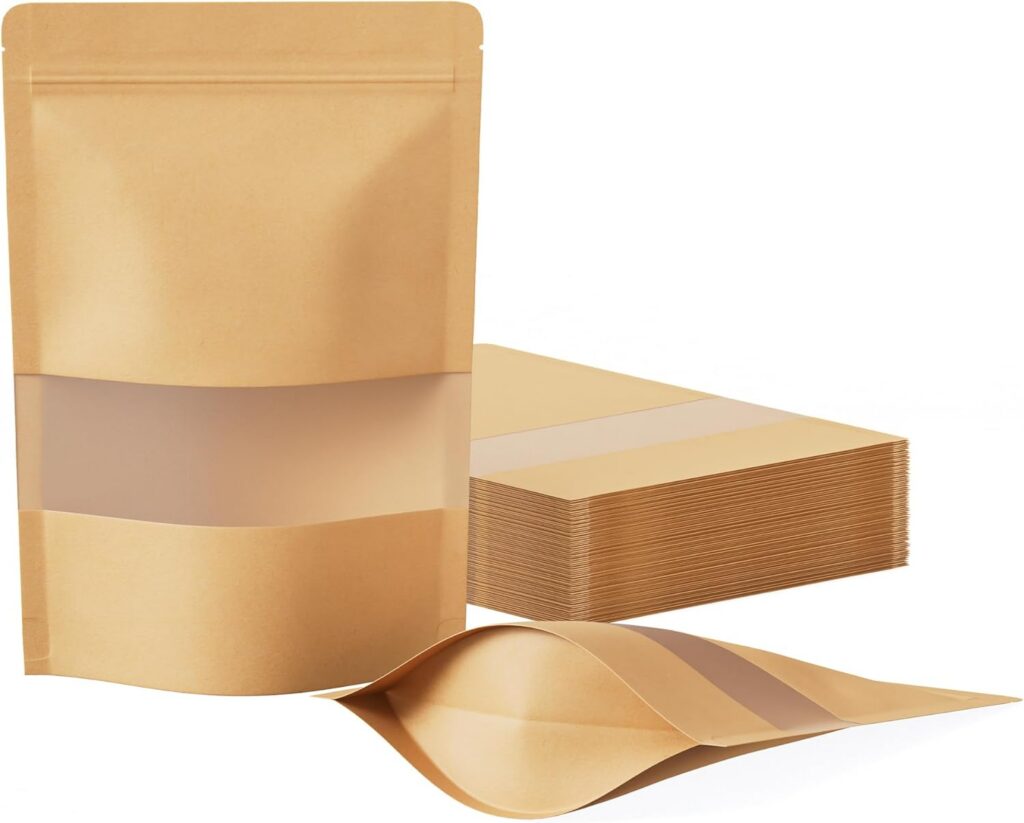
Here are the bags I use to store flour and pre-measured mixes in my freezer. They are easy to label and date and the perfect size for one pancake recipe.
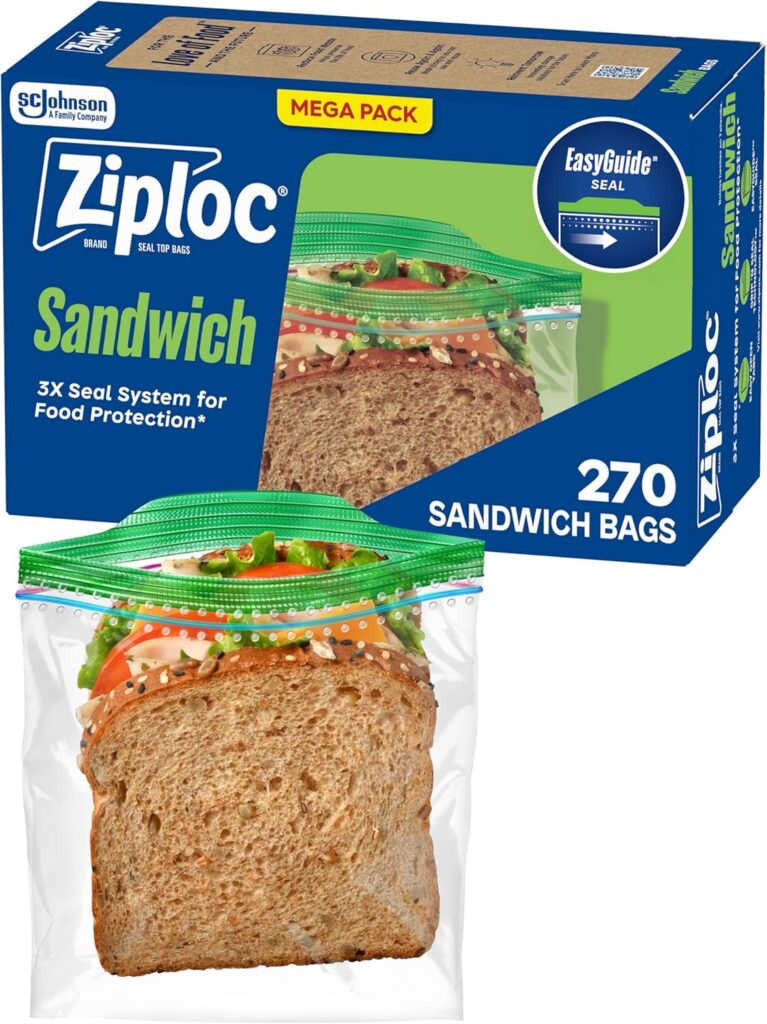
I also use sandwich ziploc bags for small amounts. This is usually the flour I grab to dust my counters for rolling out things like biscuits or cinnamon rolls. It is a mixture of all the small amounts of flour, so it isn’t necessarily one type of grain but a mixture.
How Do I Know If My Flour Has Gone Bad?
If your flour has a sour or rancid smell, it has gone bad and should be tossed out. If stored properly in an air-tight container in the freezer, it should last 6 months or more. Temperature fluctuations or exposure to moisture will cause the flour to spoil more quickly.
How To Store Grains Before Milling
Grain storage comes in many shapes and forms. From simple glass jars on the counter to 5 gallon buckets fitted with gama sealed lids to protect from any unwanted pests. When I first receive my grains, I do put in a sealed bag or container in the freezer for 72 hours. This kills any pests and eggs that could potentially be in the grains, and prevents them from infesting your entire pantry.
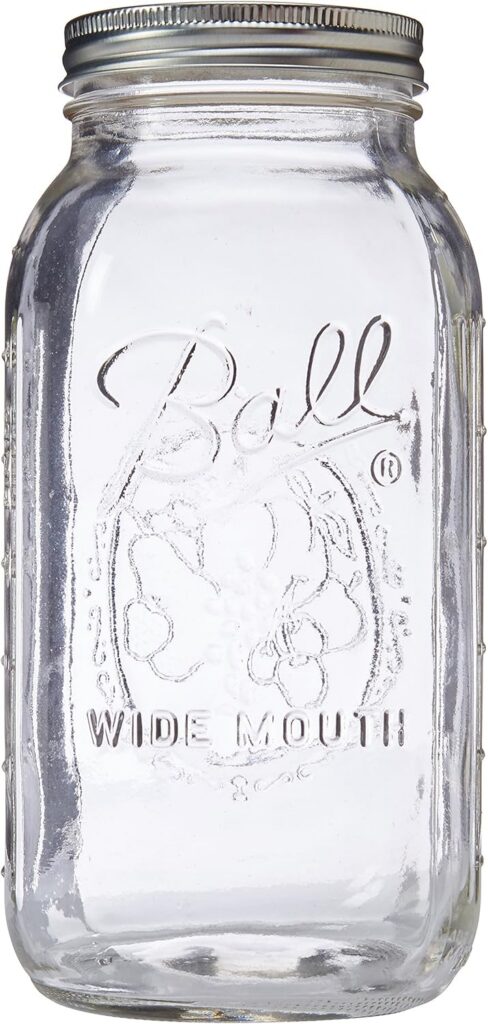
These 64oz glass Mason jars are perfect for my counter. They are small enough that I can grab them with one hand, but have a wide mouth so I can easily refill them.
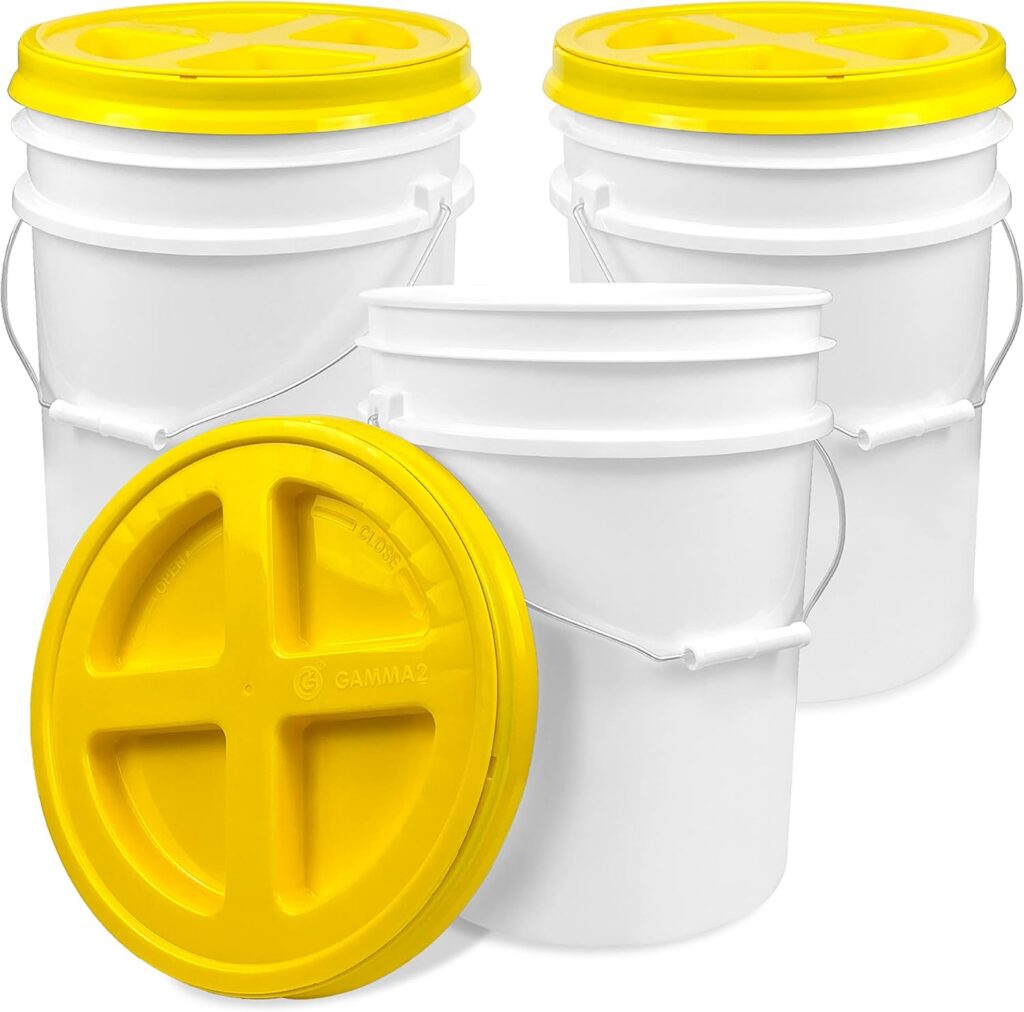
Now, long-term, I store my grains in these 5-gallon buckets, stacked to the ceiling in my laundry room. Purchasing grains in bulk is by far the most cost effective way to buy them. When I find my staple grains I am going to use regularly, they are purchased in a 50 pound bag. 35# will fit in the bucket, the rest goes in a couple glass jars.
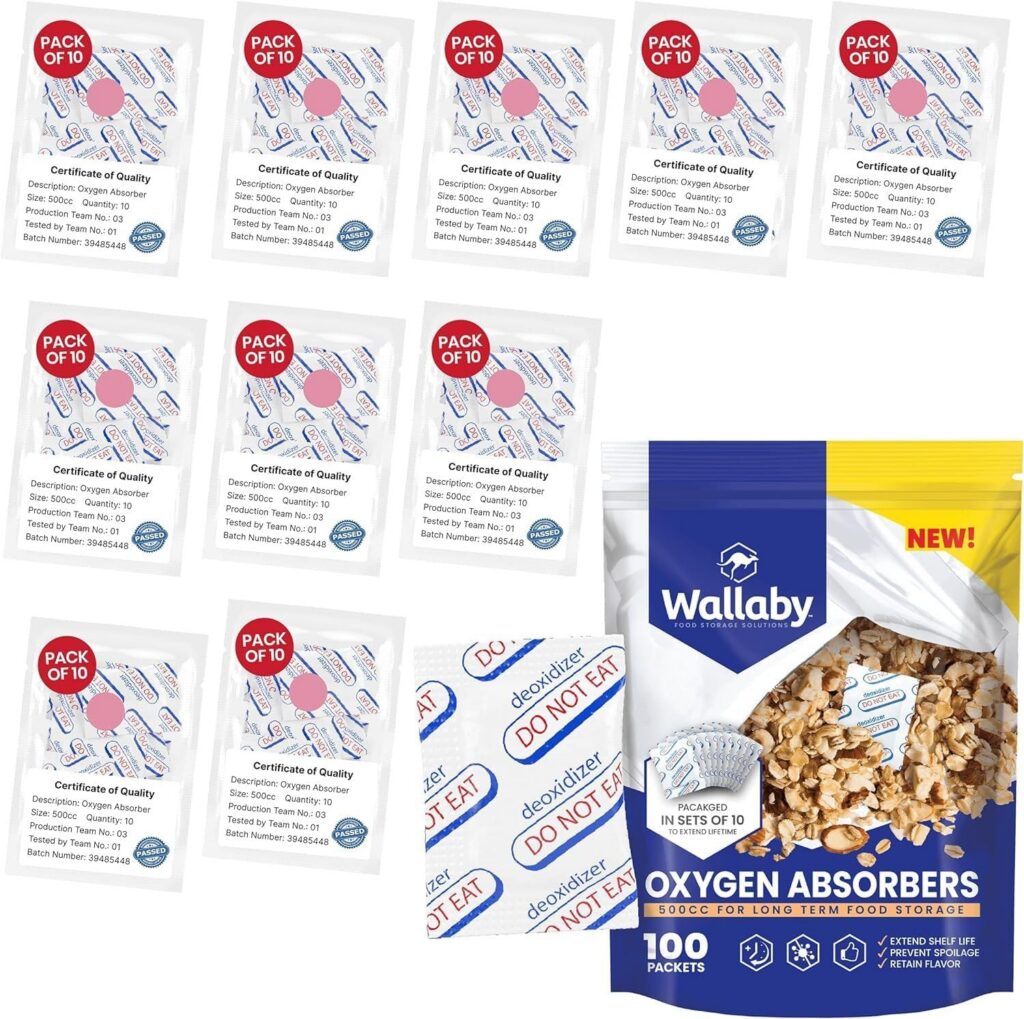
Here are the oxygen absorbers I use. You need 2000ccs per 5 gallon bucket.
I place these oxygen absorbers in both my grains and my milled flour.
Thank You!
Thank you so much for visiting my blog, I hope your family enjoys fresh milled flour as much as my family does. If you make make any of my recipes, please share and tag me on Instagram or Facebook! Don’t hesitate to contact me with any question, chances are we will both learn something from us working through it together!
Happy Baking!
Bailey Basics is a participant in the Amazon Services LLC Associates Program, an affiliate advertising program designed to provide a means for sites to earn advertising fees by advertising and linking to amazon.com. I may earn a commission, with no additional cost to you, if you purchase through those links.
Bailey Basics is not a dietitian or nutritionist, and any nutritional information shared is an estimate. If calorie count and other nutritional values are important to you, we recommend running the ingredients through whichever online nutritional calculator you prefer. Calories can vary quite a bit.
This post may contain affiliate links, please see our privacy policy for details.
Related Posts


A Video Resource For Fresh Milled Flour
This was one of the first people I found and videos I watched.
When you start using fresh milled flour, you’ll appreciate the enhanced flavors and the difference it makes in your baking.
Fresh milled flour can be a game changer in achieving the perfect texture for your loaves and baked goods. Incorporating fresh milled flour in your diet means you are choosing whole ingredients that are far superior to processed alternatives. Integrating fresh milled flour into your meals can lead to improved well-being and satisfaction. Ultimately, fresh milled flour offers a holistic approach to nutrition and culinary creativity. Fresh milled flour encourages you to reconnect with your ingredients and embrace the art of baking. Fresh milled flour is not just an ingredient; it is a gateway to better health and delicious meals.