

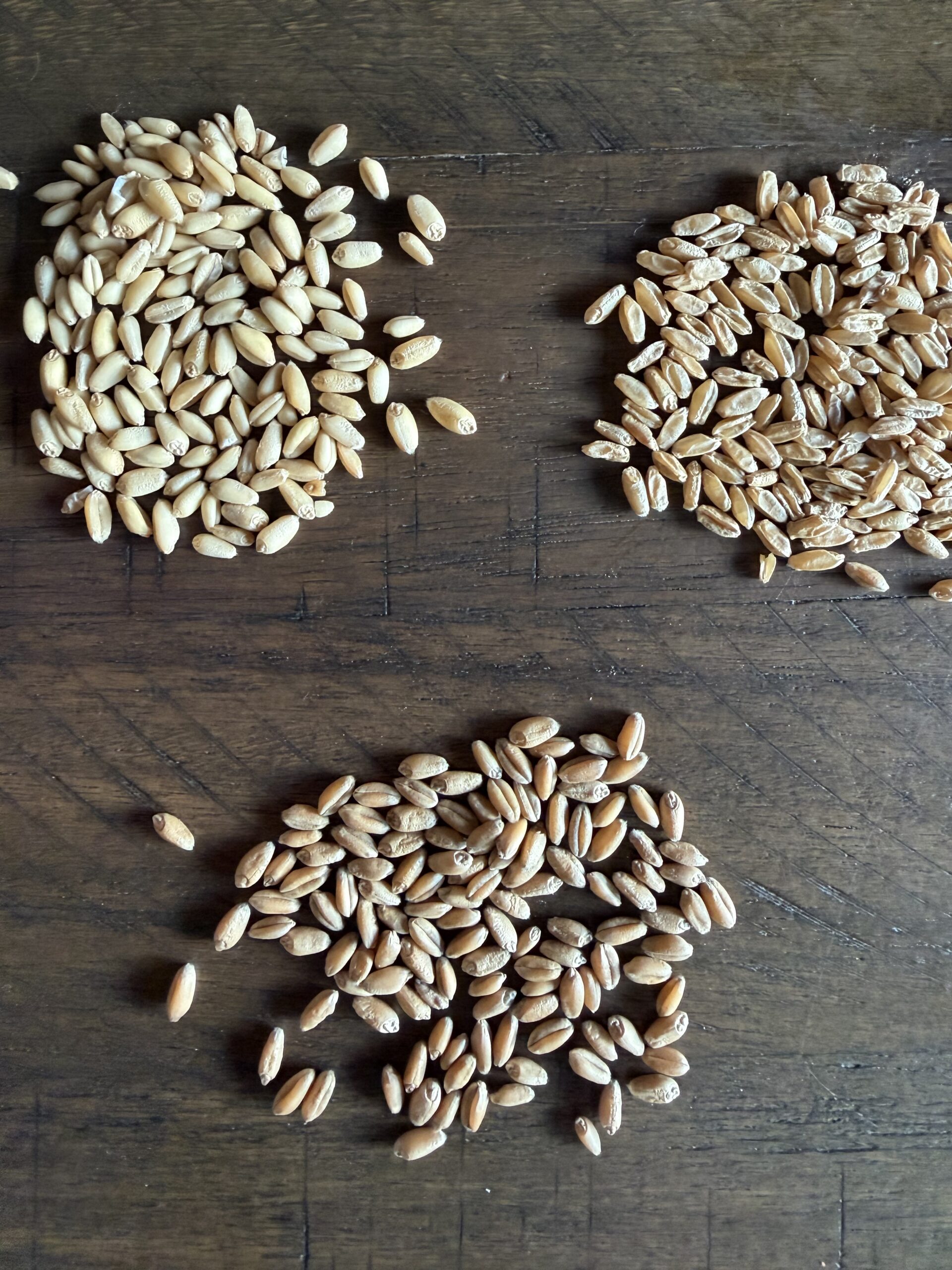
The average family is familiar with All-Purpose flour, Whole Wheat, Bread Flour and maybe Cake Flour or 00 Flour. Without giving much, if any thought to how the flour got from the field to the pantry.
Table of Contents

Protein and Why It Matters
The biggest distinction between the 2 types of grains is the protein.
Hard Wheat: 11-15% Protein content
Soft Wheat: 5-9% Protein content
Proteins like glutenin and gliadin are what creates the “gluten” structure we recognize in breads. These proteins when hydrated are untangled and straintened out to prepare for gluten formation. When baking with whole grain, fresh milled flour, this is why the Autolyse step is so important. By allowing the proteins to hydrate and the bran and germ to soften before kneading, these components are able to develop a stronger gluten structure.
When the bran and germ are not softened, they act like tiny razor blades, cutting through the chains of gluten reducing their ability to form the webbed network.
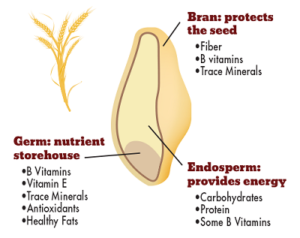
6 Classifications of Wheat:
- Hard Red Winter
- Hard Red Spring
- Soft Red Winter
- Hard White
- Soft White
- Durum
Grains Explained
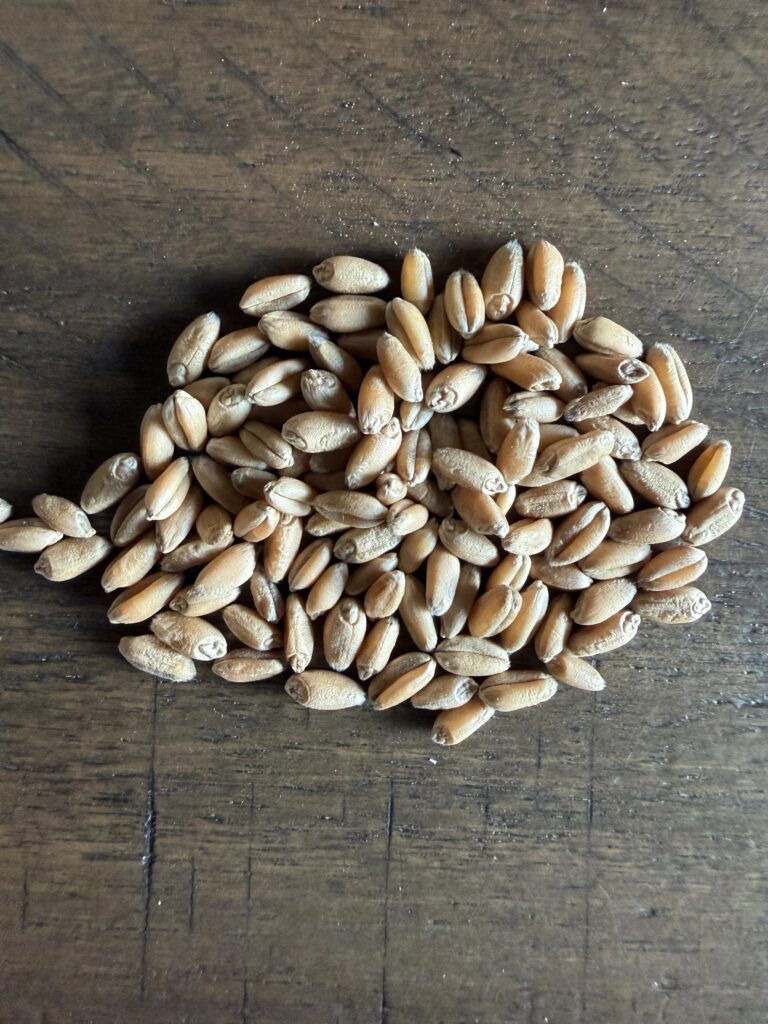
Hard Red Wheat:
- High protein content
- Strong gluten
- Used for bread and rolls
- Robust, deeply wheaty flavor from tannins
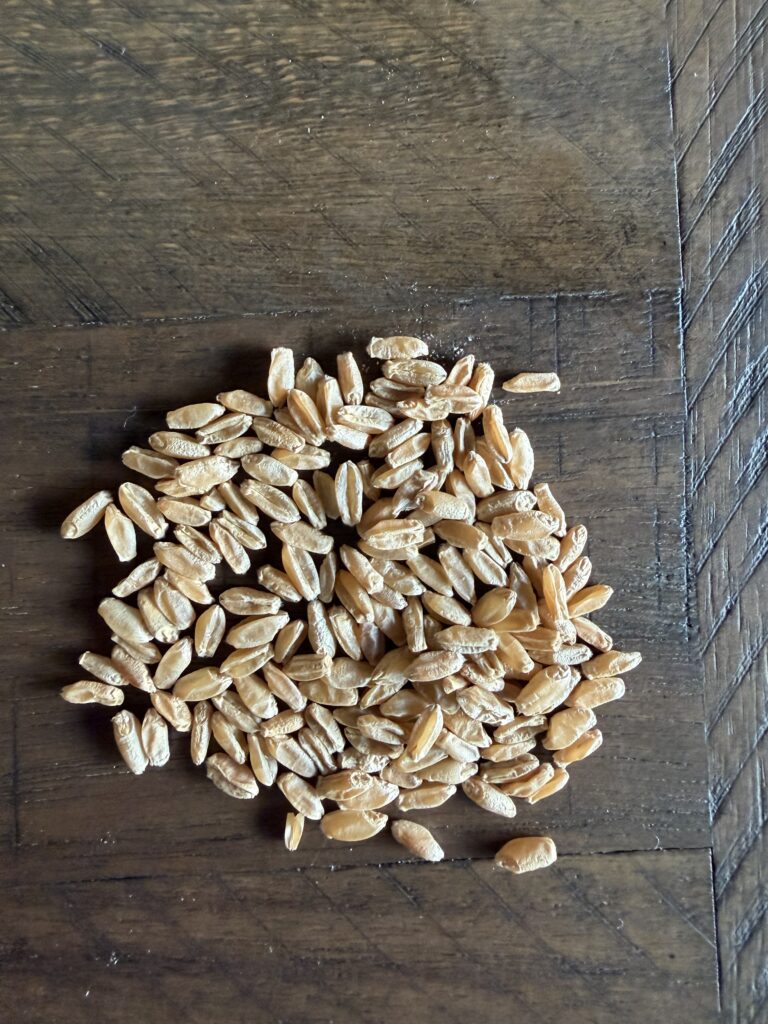
Hard White Wheat:
- Similar protein levels to hard red
- Lighter color
- Milder flavor than hard red
- Used for bread
This is one of the grains I use in my Honey Oat Wheat Bread as well as my Sandwich Bread
Soft Red Wheat:
- Lower protein
- Softer grain texture
- Used for biscuits, cakes, pastries, cookies
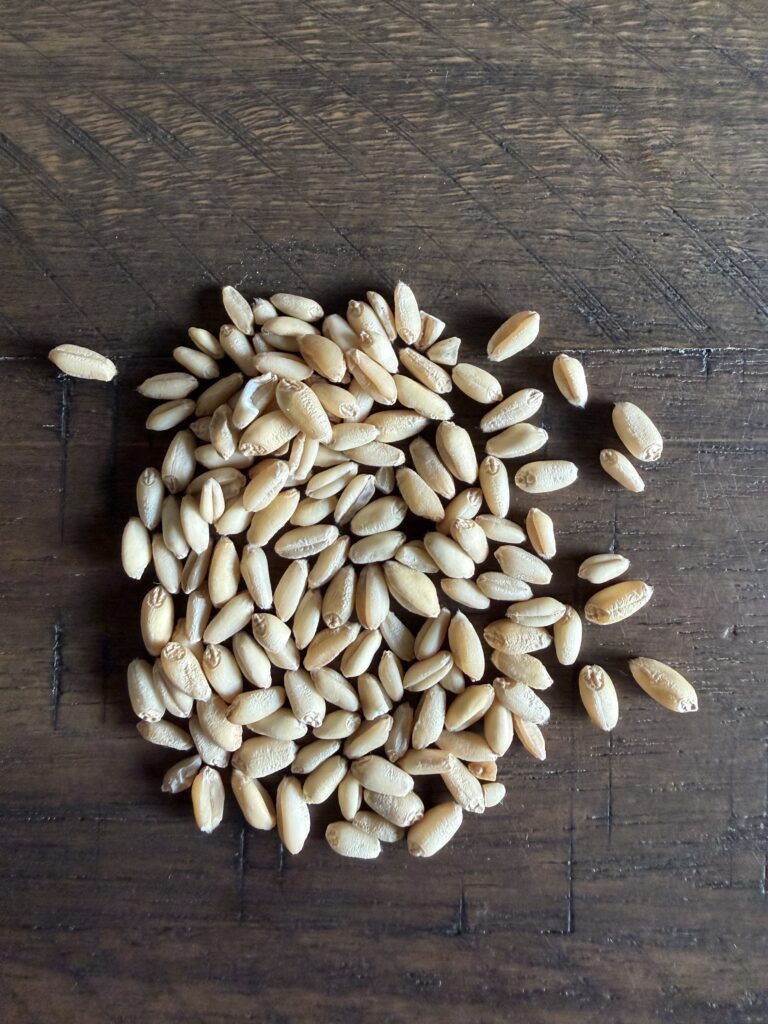
Soft White Wheat:
- Low Protein
- Used in confectionery and crackers
- Mild flavor
I love this Chocolate Chip Cookie, Lemon Bar and Berry Oat Bar recipes all made with Soft White Wheat
Durum Wheat:
- Although it is high in protein, 13%, it lacks certain DNA components of bread wheat. This makes the gluten it develops more extensible and inelastic.
- Perfect for pasta.
- Golden color comes from high concentrations of carotenoids
Winter Vs. Spring Wheat
Winter Wheat
- Planted in autumn
- Overwinters in vegetative state
- Harvested in late spring or early summer
- Often highter yield potential
Spring Wheat
- Planted in spring
- Shorter growing season
- Often higher protein levels
Wheat Overview:
Hard wheat → high protein, used for bread
Soft wheat → low protein, used for cakes and biscuits
Durum wheat → very hard, used for pasta
Spring wheat → planted in spring, higher protein
Winter wheat → planted in winter, higher yield
Why Fresh Milled Flour is Different Than Store-Bought?
When we purchase a bag of flour at the store, the manufacturers have created a consistent product. The flour has been milled, aged, oxidized, and tested to ensure it has the same protein and starch content each and every bag.
In contrast, a crop of Hard Red wheat purchased from a farmer one season may have slightly different protein/starch ratios based on water, heat, temperature at harvest and many other factors.
This can be what makes baking with fresh milled flour somewhat complicated. It also highlights the importance of understanding your flour and reading your dough.
While it would be great to provide you with recipes that work perfectly every single time, there are factors beyond our control that we have to acknowledge or we will have more failures than success.
Thank You!
Thank you so much for visiting my blog, I hope your family enjoys fresh milled flour as much as my family does. If you make make any of my recipes, please share and tag me on Instagram or Facebook! Don’t hesitate to contact me with any question, chances are we will both learn something from us working through it together!
Happy Baking!
Bailey Basics is a participant in the Amazon Services LLC Associates Program, an affiliate advertising program designed to provide a means for sites to earn advertising fees by advertising and linking to amazon.com. I may earn a commission, with no additional cost to you, if you purchase through those links.
Bailey Basics is not a dietitian or nutritionist, and any nutritional information shared is an estimate. If calorie count and other nutritional values are important to you, we recommend running the ingredients through whichever online nutritional calculator you prefer. Calories can vary quite a bit.
This post may contain affiliate links, please see our privacy policy for details.
Related Posts

A Video Resource For Fresh Milled Flour
This was one of the first people I found and videos I watched.
When you start using fresh milled flour, you’ll appreciate the enhanced flavors and the difference it makes in your baking.
Fresh milled flour can be a game changer in achieving the perfect texture for your loaves and baked goods. Incorporating fresh milled flour in your diet means you are choosing whole ingredients that are far superior to processed alternatives. Integrating fresh milled flour into your meals can lead to improved well-being and satisfaction. Ultimately, fresh milled flour offers a holistic approach to nutrition and culinary creativity. Fresh milled flour encourages you to reconnect with your ingredients and embrace the art of baking. Fresh milled flour is not just an ingredient; it is a gateway to better health and delicious meals.